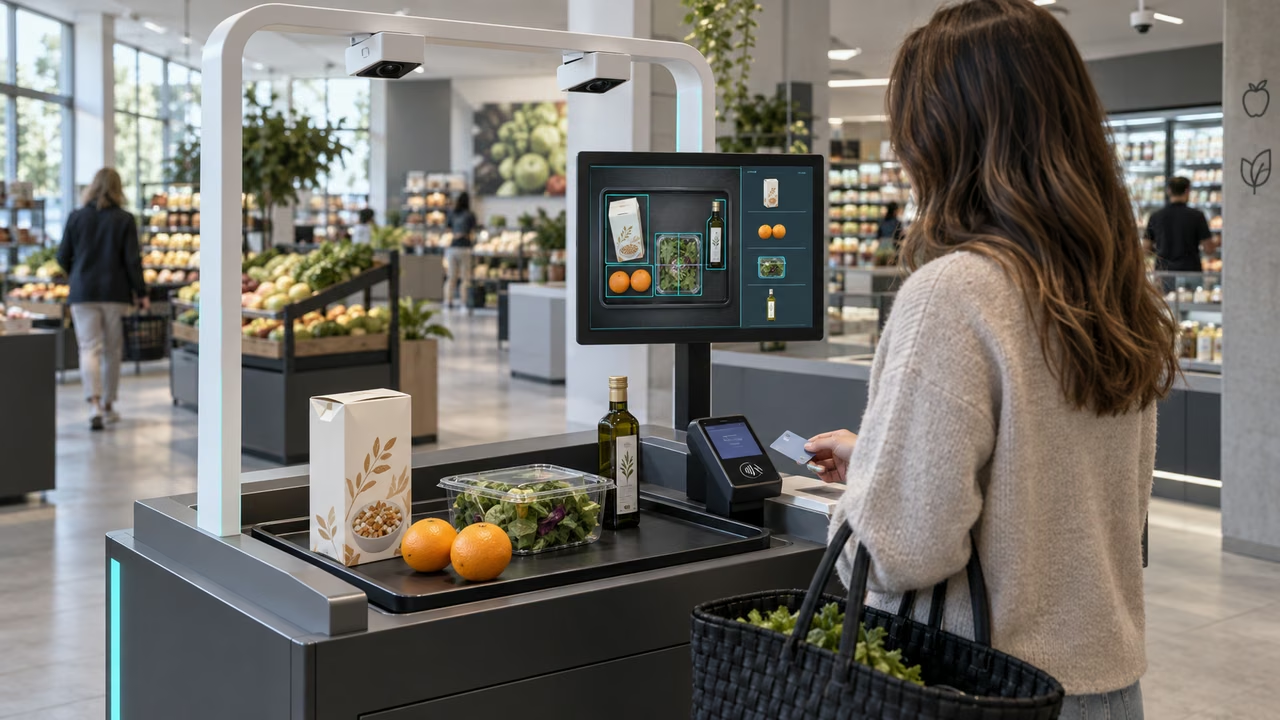
Computer Vision Checkout: How Cameras Build the Right Basket
How camera-based checkout identifies products, builds shopping baskets and learns from store data—with practical tests, privacy choices and hardware options.

Humanoid robotics for retail operations
Hardware-independent advice, computer vision and robot training for retailers, from the checkout lane to the shelf edge.
What we do
FastLane Robotics translates retail workflows into a robot training and deployment plan: define the task, test it on the target hardware and measure it under store conditions. We advise independently of hardware manufacturers, comparing humanoids, purpose-built robots, collaborative arms and camera-based checkout systems around the work your store needs done.
Solutions
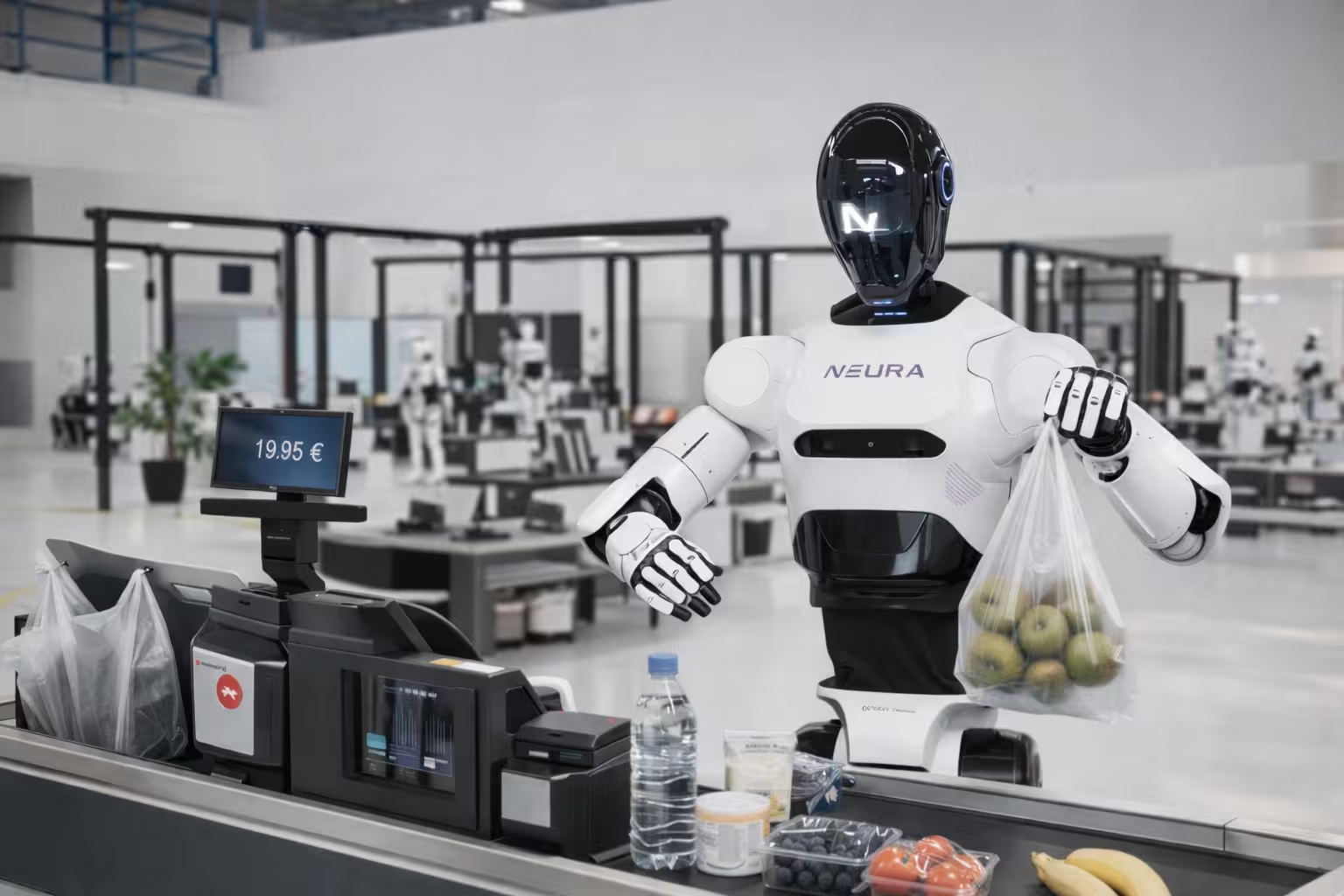
Checkout concept
The robot reads the checkout screen and terminals with its own cameras and operates the touchscreen, keys and scanner physically, the way a cashier does. The concept is intended to avoid changes to the POS system. Fit with a specific lane and POS configuration is confirmed during scoping.
Sales floor
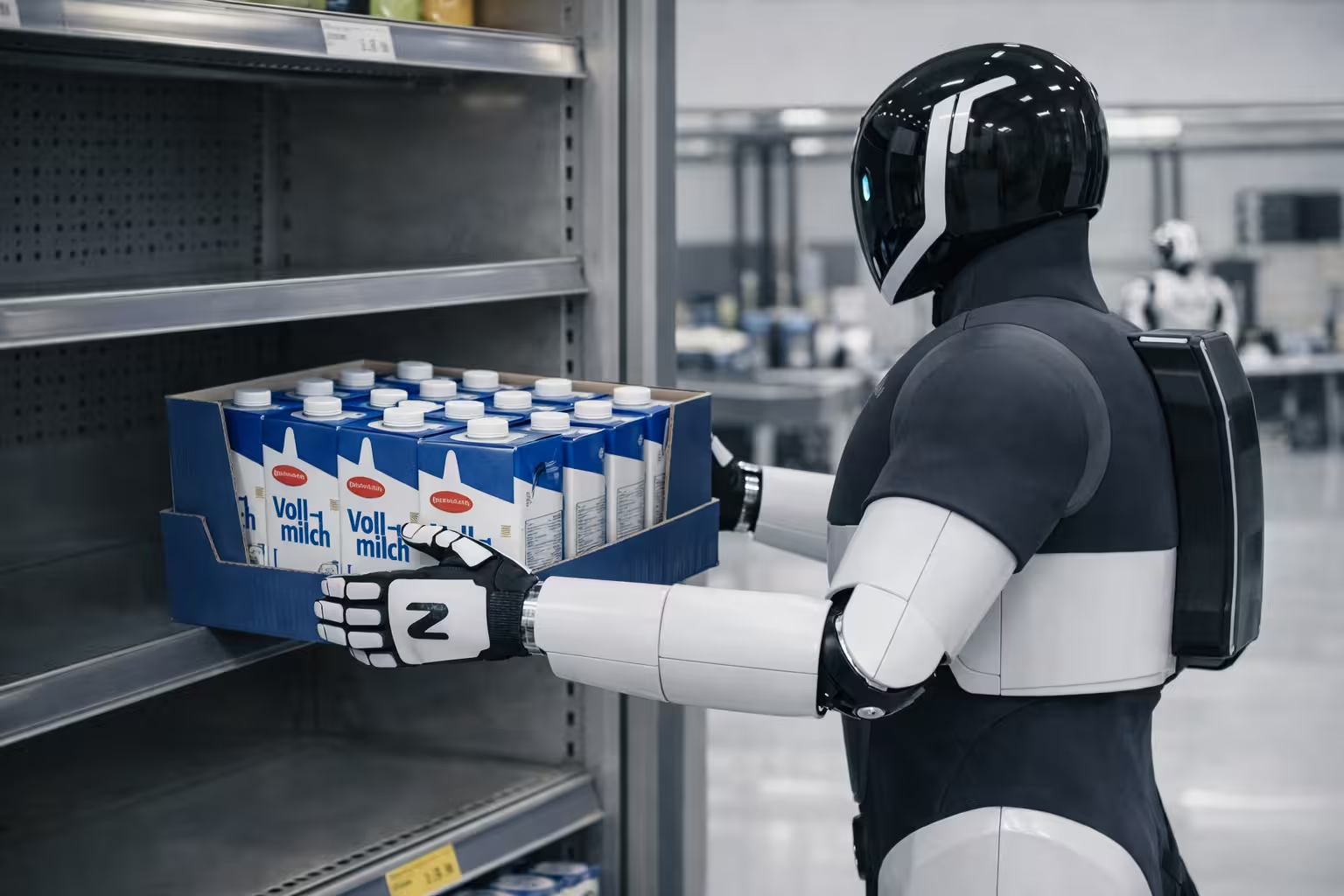
Case handling, product placement and shelf-gap checks in aisles that keep trading.
Concept illustration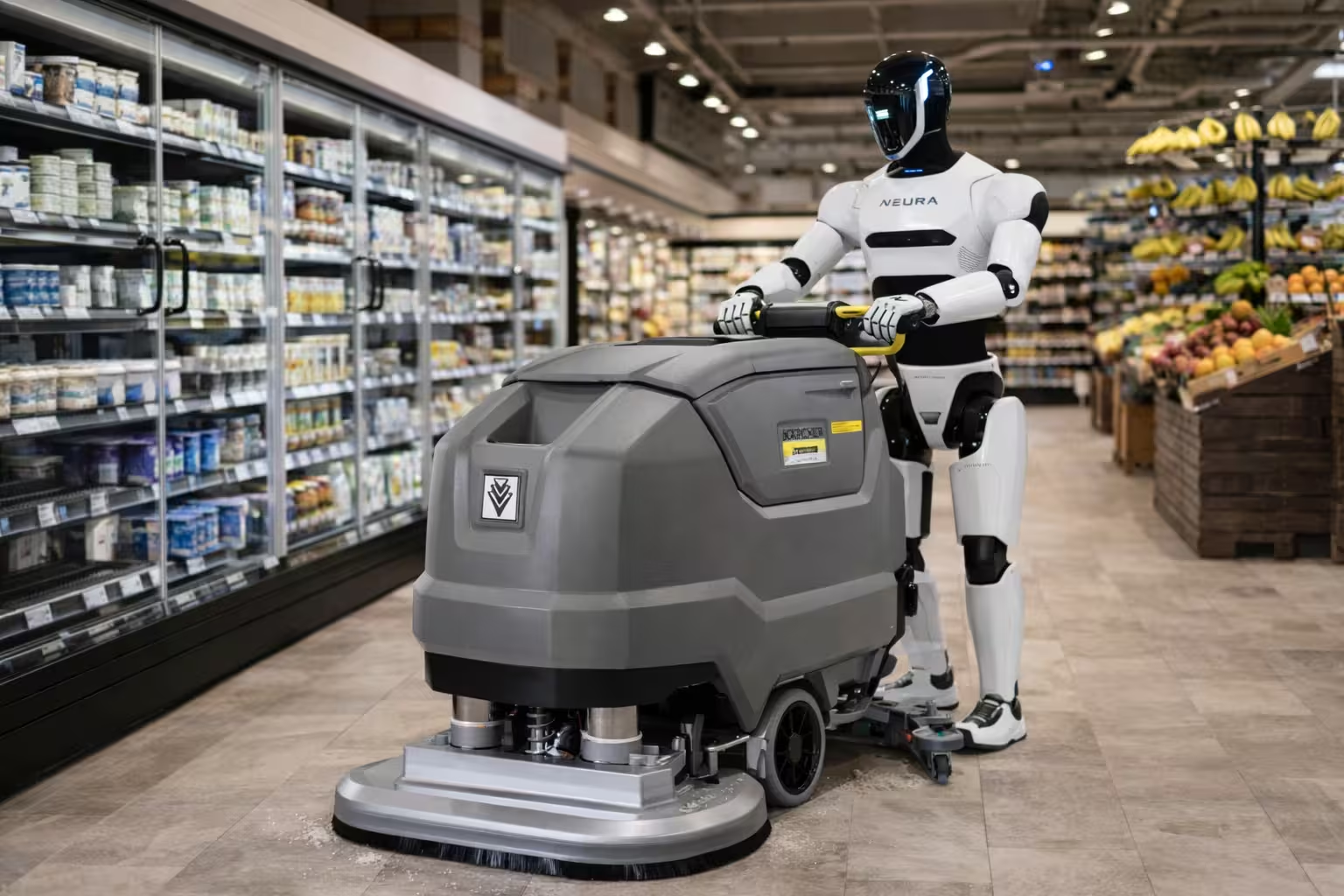
Recurring cleaning and tidy-up tasks scheduled into quiet hours.
Concept illustration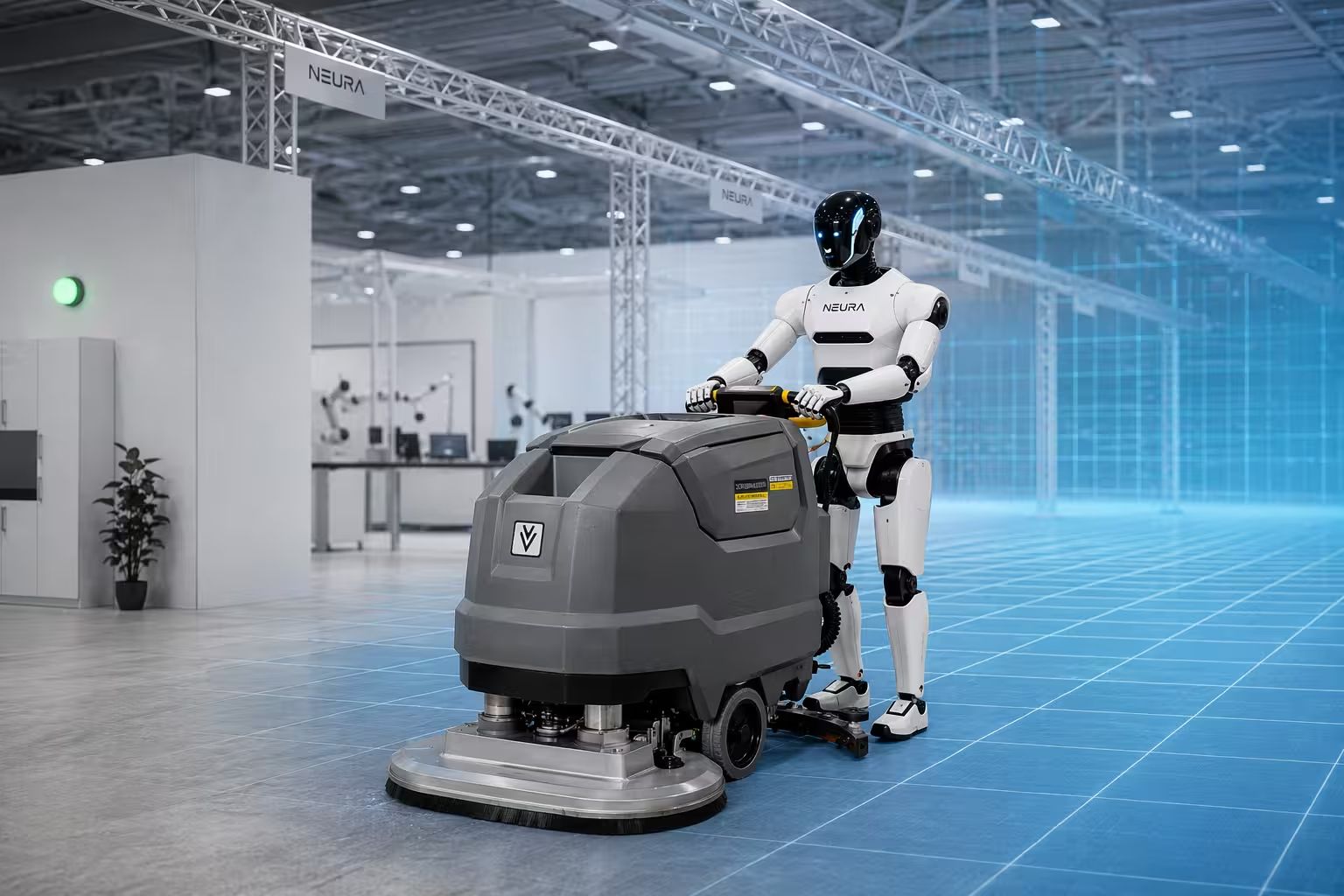
Training
Demonstrations and simulation help develop task behaviors and test variations in lighting, product positions and shelf states. Trials on the actual robot then reveal the contact, timing and perception problems that matter in the store.
Operators demonstrate tasks through teleoperation to build the data the robot learns from.
During a pilot a remote operator can guide the robot out of a stalled task. This complements on-site safeguards and does not replace them.
Pilot process
Walk the store, pick one workflow, fix the item set, lane or aisle, exception rules and the criteria the pilot must meet.
Build the behaviour in simulation and on hardware, then run it against the agreed scenario list off the sales floor.
Operate the robot in the live store with staff briefed, handovers defined and every run logged.
Review the log against the criteria. Extend, adjust or stop. Scale planning starts only after a passed pilot.
Acceptance criteria
Targets are set with the retailer during scoping. The pilot is measured against them, not against a brochure figure.
FastLane Robotics
We bring hardware-independent advice, product recognition and robot training together: scoping the task, choosing the architecture and validating it in store operations. Our focus is on supermarket and convenience-store operators in Europe and the United States, with deployment and support requirements defined for each location.
Planning a U.S. grocery or convenience-store pilot?
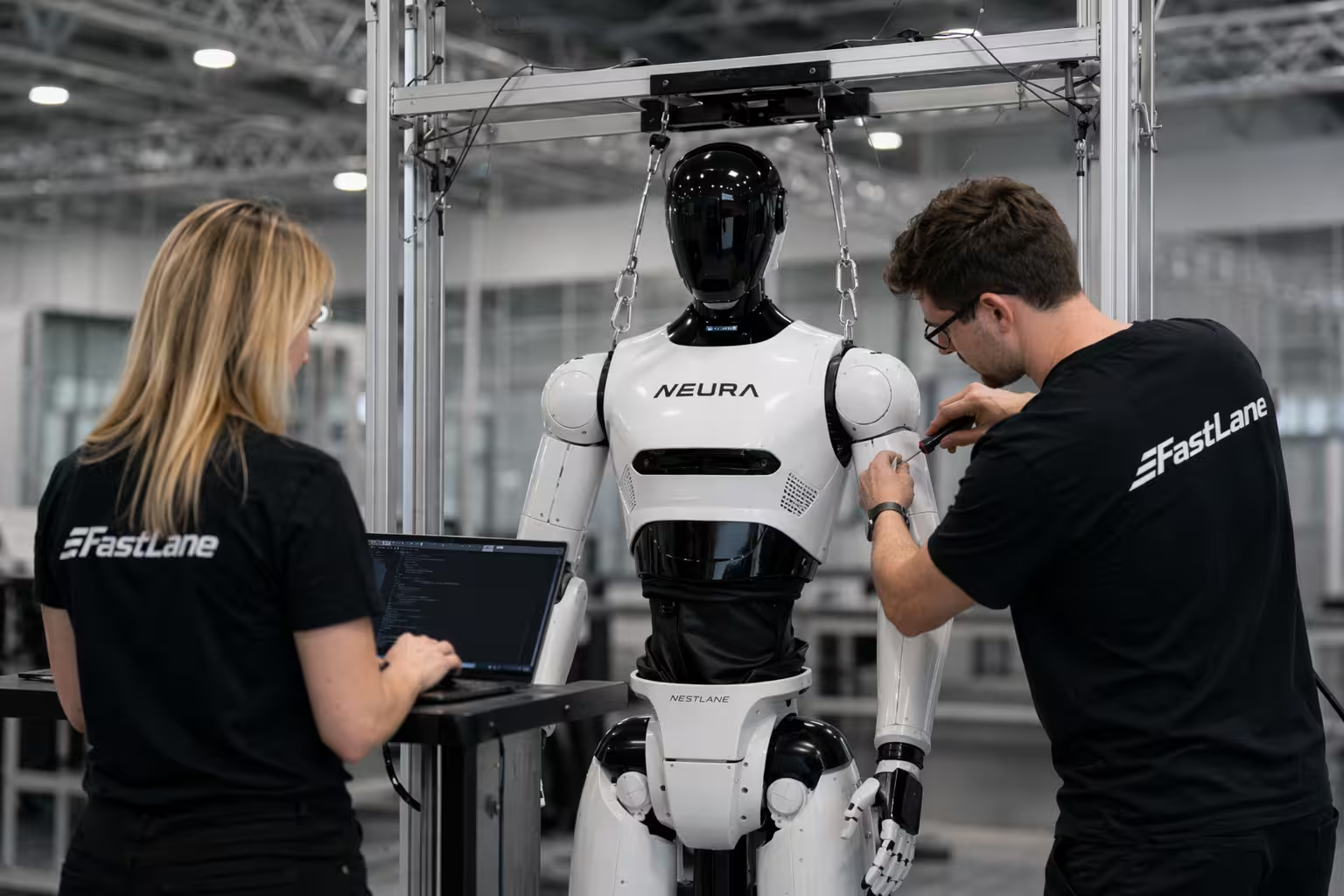
Journal
How camera-based checkout identifies products, builds shopping baskets and learns from store data—with practical tests, privacy choices and hardware options.
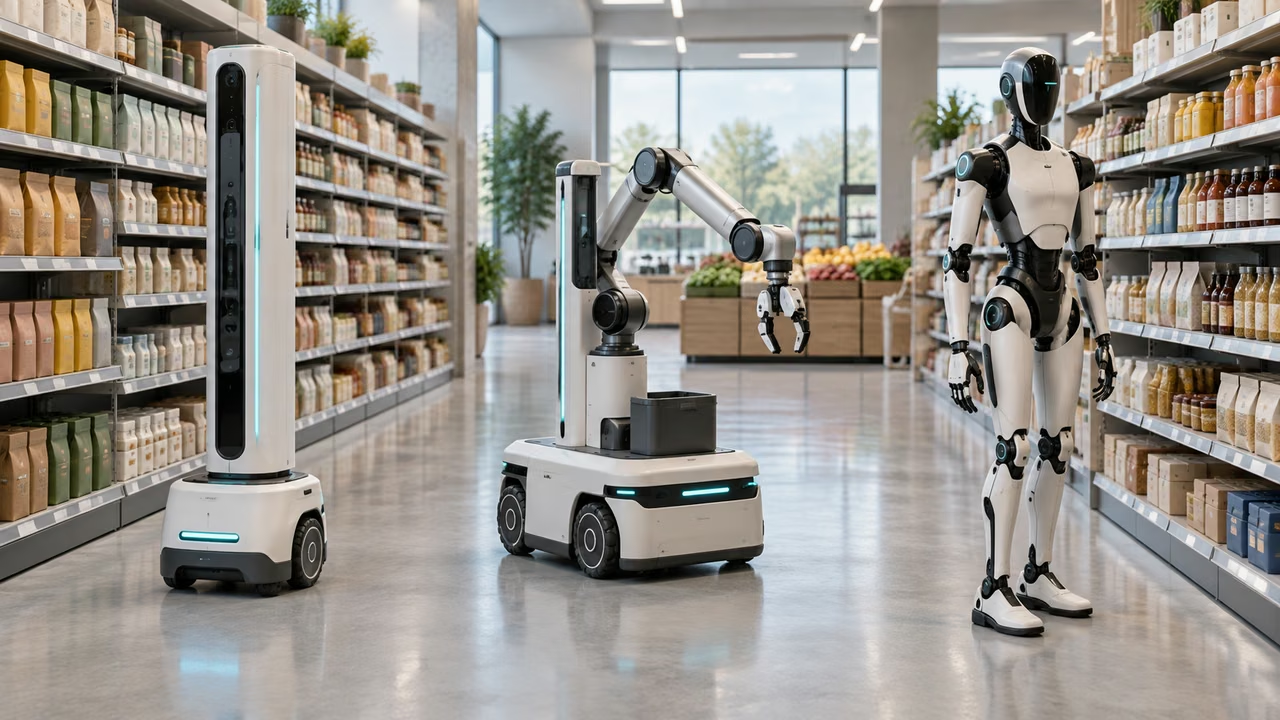
Compare retail robot types, evaluate humanoid platforms and build a task-first shortlist using store constraints, recovery tests and real operating costs.
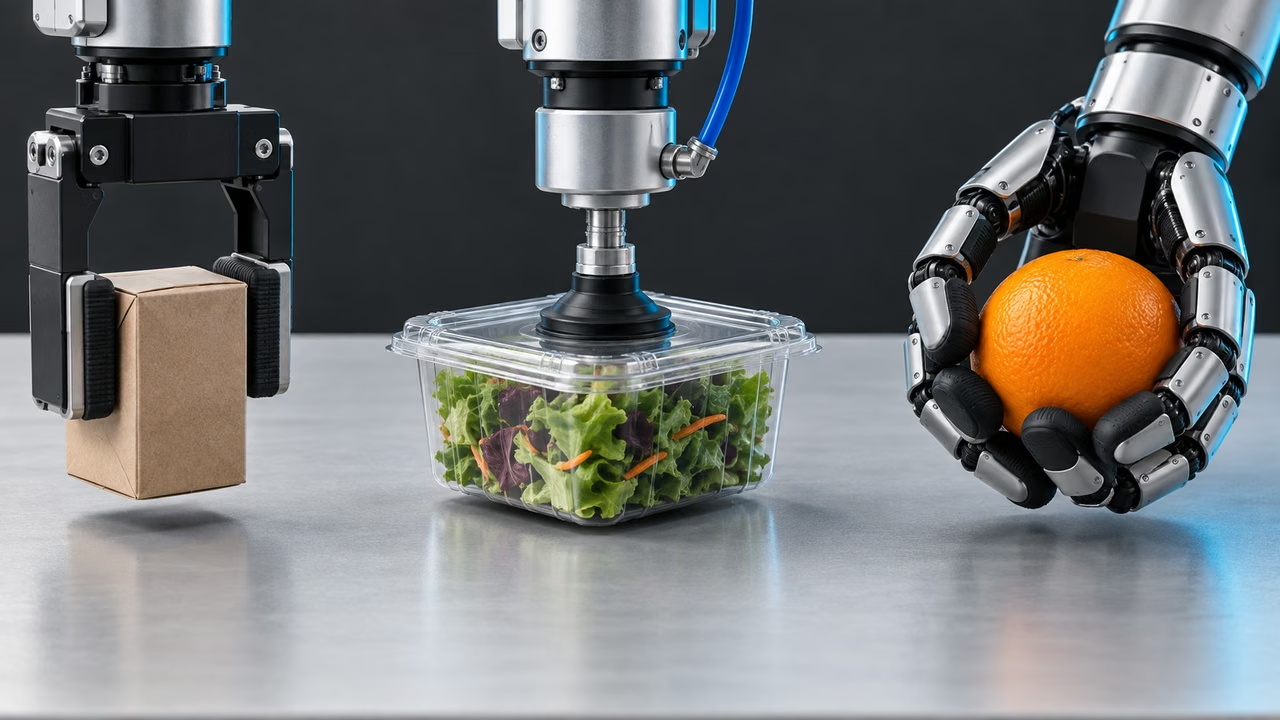
A practical comparison of vacuum tools, adaptive grippers and dexterous hands, with a grocery test basket and metrics for damage, recovery and throughput.
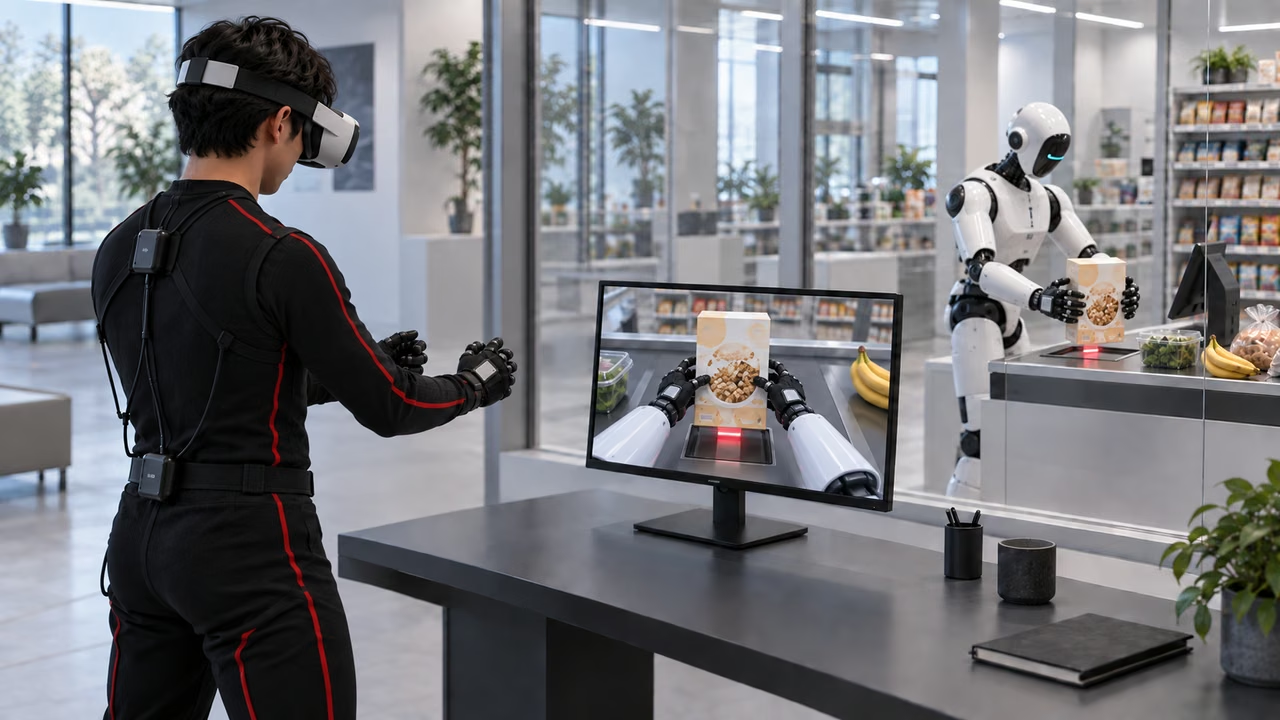
Learn the different roles of teleoperation, how to evaluate remote assistance and how to calculate the human workload behind a retail robot pilot.
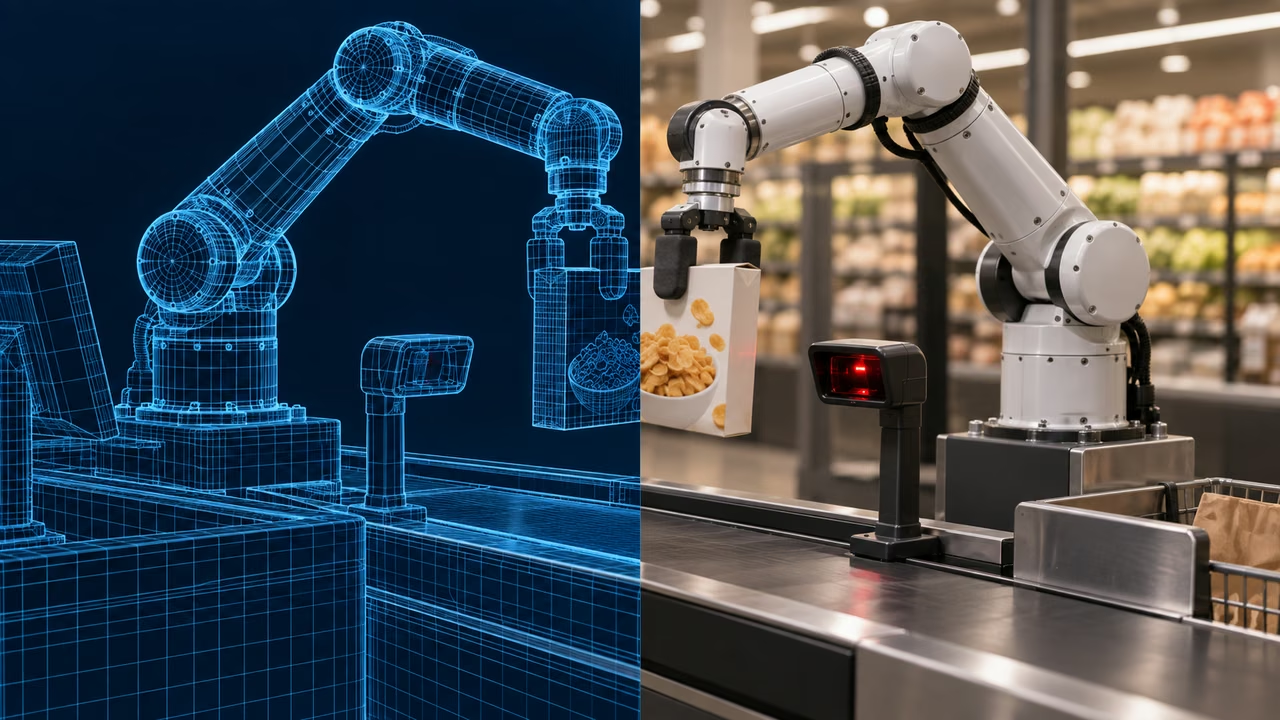
Understand how simulation, demonstrations and real-robot validation fit together, and what evidence to request before a retail robotics pilot.
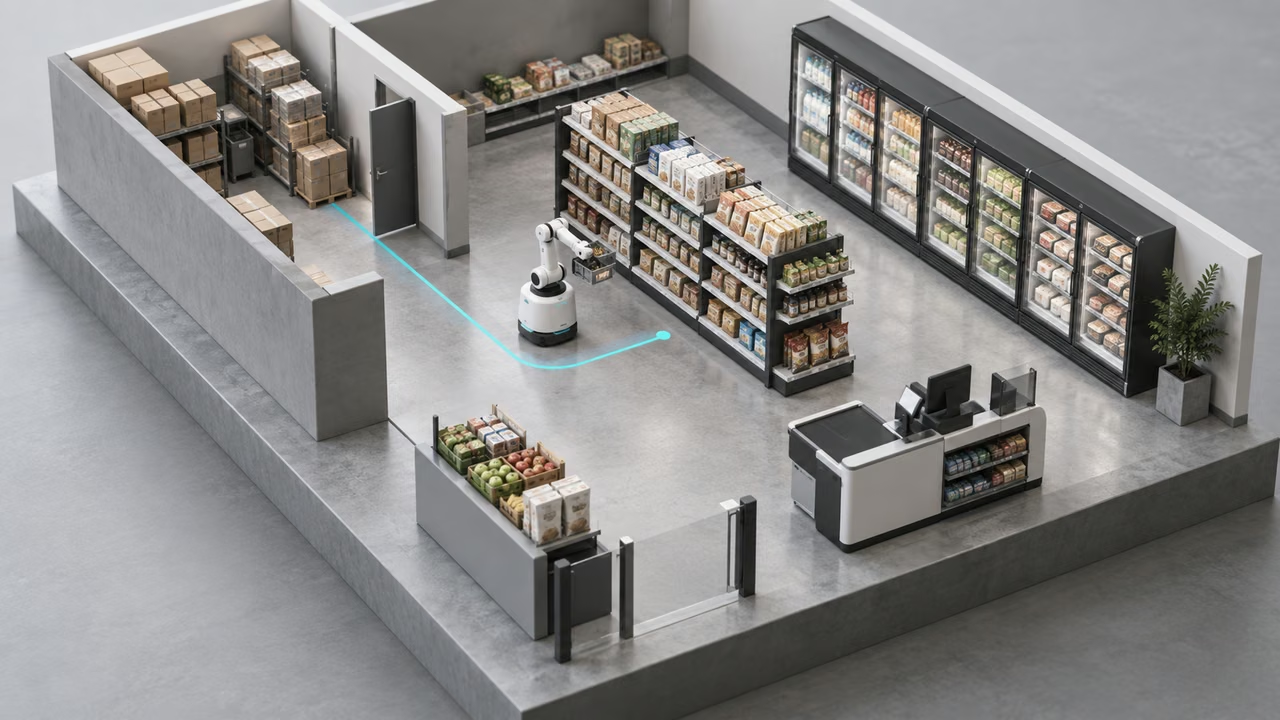
Build a grocery robotics pilot around a bounded task, clear acceptance criteria, human effort and realistic economics—from checkout to replenishment.
Contact
Tell us your store format, the workflow you have in mind and your timeline. We reply with the questions a scoping visit has to answer and a proposed way to run it.
Email us directly
info@fastlane-robotics.com